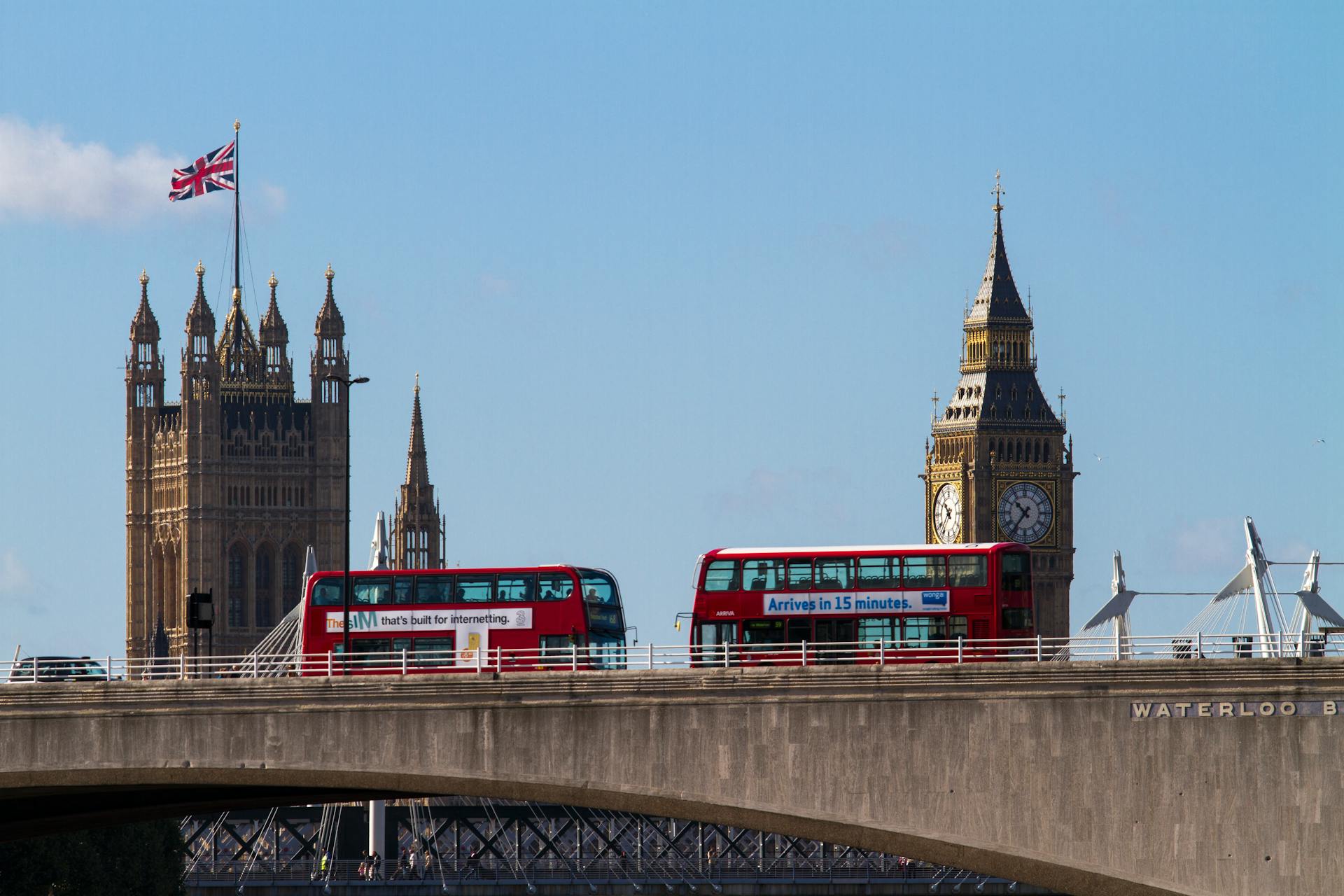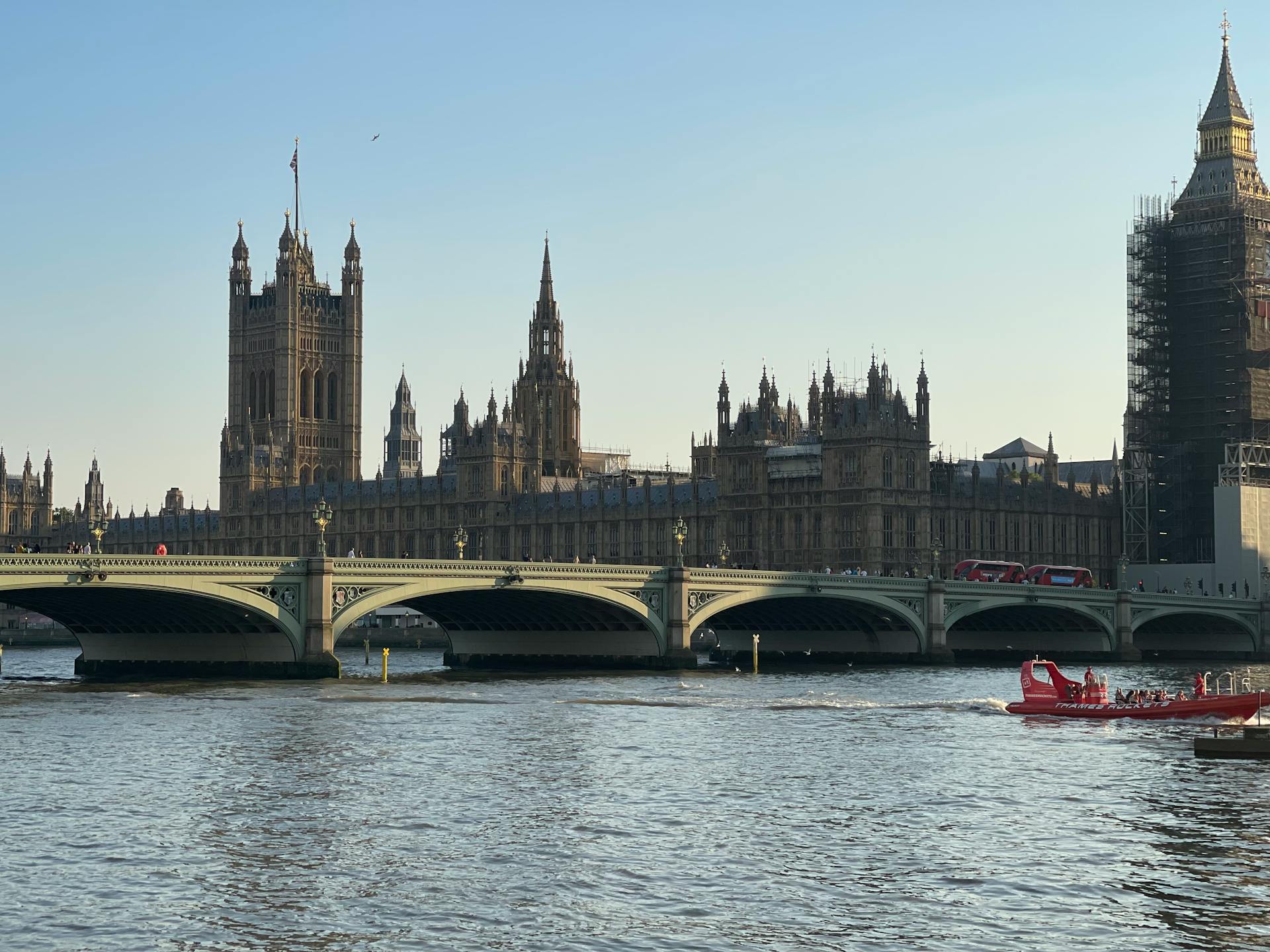
In a city like London, digital maps are not a luxury but an absolute necessity. Over a period of 4 days, you will use apps such as Google Maps or Citymapper extensively to understand the subway and bus network. Moderate map usage, including route searches and checking real-time waiting times, consumes an average of 100 to 200 MB per day.
If you usually explore the city using satellite mode or the Street View feature to identify buildings, usage can increase quickly. However, for the basic functions a tourist needs, approximately 1 GB of your total allowance will be dedicated strictly to navigation and public transportation.
Social media and sharing moments live
This is where the greatest variation in data usage actually occurs. If you plan to post photos on Instagram or send pictures to family groups on WhatsApp, you should know that each high-resolution image means several megabytes. Things become even more significant if you upload videos or spend short periods scrolling on TikTok while waiting in line at the London Eye.
- A video post on a Story or a Reel can consume between 20 and 50 MB.
- One hour of browsing video-based social networks can easily reach 500–700 MB.
- 10- to 15-minute video calls home consume an average of 200 MB.
For a 4-day city break during which you want to stay active online, you should set aside at least 2–3 GB just for social media and video communication. Having an eSIM with a generous data allowance is much more convenient than searching for public Wi-Fi every time you want to show someone a beautiful view.
Background utilities and local apps
Beyond what you actively do on your phone, your device also uses data on its own. Ride-sharing apps, restaurant reservation apps, and official museum apps download data in the background to provide notifications or updates. Checking email and making quick Google searches about the history of a monument also add a small amount to the overall total.
Another aspect to consider is connection quality. In London, 5G coverage is very extensive, which means everything loads much faster, but also that apps tend to request higher-quality versions of files. Without realizing it, the higher speed can make you consume more content in a shorter amount of time.
The conclusion: What is the ideal data package?
To sum up, for a 4-day city break, a 3 GB package is the minimum threshold for a user who only wants maps and text messages. However, to avoid any worries and be able to use your phone exactly as you do at home, a 5 GB package is the most logical and reliable option. This amount gives you the freedom to use GPS all day and post whatever you want without constantly checking the data counter.
By choosing an eSIM from eSIModo, you have the advantage of selecting the package that suits your usage profile from the comfort of your home. Here is what a realistic estimate looks like:
- Light user (maps and emergencies only): 2–3 GB.
- Active user (maps, photos, social media): 5 GB.
- Heavy user (videos, streaming, long video calls): 10 GB.
Regardless of how much time you plan to spend on your phone, an eSIM remains the most efficient solution because it eliminates the stress of exceeding roaming costs. It is much better to have a small data surplus than to lose your connection precisely when you are trying to find your way to the airport on the last day of your trip.
eSIM Great Britain options from eSIModo
If you’re planning to explore Great Britain soon, don’t let roaming costs ruin your vacation. For a fast and stable connection as soon as you land, we recommend eSIModo. You can activate an internet eSIM for Great Britain in a maximum of 2 minutes, directly on your phone, without having to look for local SIM cards or change your physical SIM.
Here are some available options: